
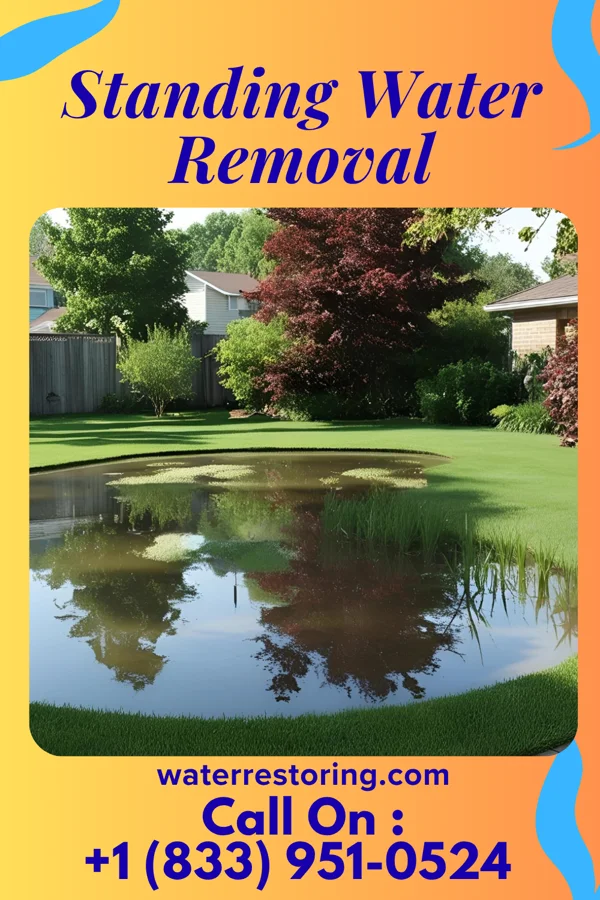
Common Standing Water Causes in West Woodstock
Most standing water removal calls in West Woodstock come from In West Woodstock, Vermont, water damage often stems from burst pipes in older homes and seasonal flooding due to the region's heavy rainfall and proximity to rivers. Additionally, snowmelt in spring can lead to saturated soil and basement seepage, particularly in rural properties.. A close second is Secondary causes include leaking roofs from aging infrastructure, plumbing failures in historic homes, and groundwater intrusion during thawing periods. These issues are common due to the area's rural layout and older building stock.. If you know what is about to happen, the decisions during the first 48 hours get a lot easier.
West Woodstock's climate, with its heavy precipitation and cold winters, increases the risk of water intrusion. The area's proximity to rivers and seasonal flooding makes it particularly vulnerable to water damage during spring thaw and heavy rainfall events.
Most standing water removal calls in West Woodstock come from In West Woodstock, Vermont, water damage often stems from burst pipes in older homes and seasonal flooding due to the region's heavy rainfall and proximity to rivers. Additionally, snowmelt in spring can lead to saturated soil and basement seepage, particularly in rural properties.. Running a close second is Secondary causes include leaking roofs from aging infrastructure, plumbing failures in historic homes, and groundwater intrusion during thawing periods. These issues are common due to the area's rural layout and older building stock.. Local mold risk: Mold growth can quickly develop in the damp, cool environments typical of West Woodstock, especially in older homes with poor insulation. Prompt action is critical to prevent health risks and structural damage.